|
|
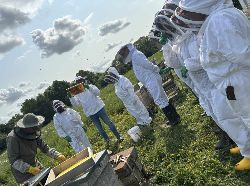
November has been chilly here in Lincolnshire, and as always at this time of year, we’re busy checking on hives as they settle in for winter, and preparing for Christmas! |
|
|
|
|
If you have not seen already - we have announced the return of our Beekeeping Courses here at Thorne, in partnership with Stewart Spinks of Norfolk Honey Company. Following the success of the Beginner's courses this year, we are happy to be adding three more to the agenda; Next Steps, Swarm Control & Queen Rearing Basics. With Christmas round the corner, these courses make great gifts for all beekeepers. Learn more about them below. |
| |
|
|
| |
| |
|
Lastly, don't forget to keep an eye out for our much anticipated winter sale that will begin on Sunday 28th December! |
|
|
|
|
|
|
|
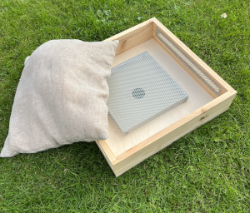
Invented in the USA the Vivaldi board can be used in all 'four seasons'. Made in sustainable Western Red British Cedar, available in national size only. |
|
|
|
|
Essentially it is a ventilated feeding board with a removable mesh box, shaving filled hessian pillow and a small upper entrance. Fondant can be fed underneath the mesh box and the board is deep enough to fit an English or rapid feeder if feeding syrup.
The shaving filled hessian pillow acts as excellent insulation and also absorbs any condensation. In the warmer months remove the insulation and the vents help the hive stay at an optimum temperature. The board has narrow vents on either side which are covered when the roof is in place. The small top entrance gives the bees an easier exit/entrance closer to their food source. |
| |
|
|
|
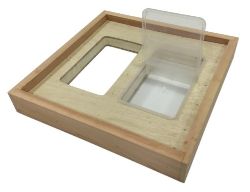
Based on an idea given to us by Willie Robson of Chain Bridge Honey Farm. The feeder has two clear plastic, 1 litre compartments with hinged lids. Both can be used for syrup or fondant, pollen feeding or a combination. Bees access from directly underneath and the feed is kept warm, fresh and moist by the heat generated from the colony. The feeders are encased in insulation foam and covered above by a snug fit chip foam insulating quilt. This feeder will only fit National or commercial hives. |
|
|
|
|
|
Uses and Abuses of Beeswax |
Written by Russell Connor |
The most challenging aspect about writing an article about beeswax is finding the superlatives in the English language that do it justice. |
|
|
|
|
Beeswax is the most amazing of natural materials! For a start, beeswax (Cera Flava) is a substance secreted as tiny platelets by four pairs of wax glands under the abdomen of honeybees. These platelets are scraped off by the bees, masticated and, with the addition of saliva and a variety of enzymes, formed into pliable material that is used to construct the honeycomb’s iconic hexagonal cells. |
If the production isn’t incredible enough, beeswax itself is strong. The hexagonal structure allows the use of minimal wax and is strong enough support the brood and/or the honey and pollen contents together with the mass of working bees. |
Beeswax is also chemically complex. It is estimated that some beeswax consists of over 300 different compounds including acids, esters, polyesters, fatty alcohols, and more. It’s an incredible and complex product that has yet to be replicated by humans. |
Wax played its part in Greek and Roman mythology. The most famous story is that of Icarus who found that beeswax had too low a melting point for Greek sunshine when he used it to attach his wings and for his abortive attempt to fly from Crete. |
Beeswax has the most phenomenal properties. The colour varies. Whilst it is secreted as a pure white substance, it turns golden once the propolis and larval debris are incorporated. Older wax will be very dark in colour. Beeswax is inert (meaning it is a substance that does not easily react with other substances and maintains its composition and properties over time) with high plasticity (meaning it can be easily shaped or moulded) when warmed. It is a good electric insulator and has anti-inflammatory and antioxidant properties. |
Beeswax is edible, having similarly negligible toxicity to plant waxes, and is approved for food use in most countries and in the European Union under the E number E901. |
It is not digestible as such as it is not broken down by the gut. Scientists say that it has no nutritional value but, as yet, there is no research to inform us as to whether the anti-inflammatory and antioxidant properties have any positive impact on the gut biome. Eating the wax in our honeycomb honey may be good for us? We will have to wait and see on this one. |
Beeswax is flammable and has a melting point between 62 and 64 degrees Celsius. |
Beeswax has the most incredible variety of uses. It has been the object of wonder and worship for as long as mankind has had use of it. |
Today it is still used as a lubricant and waterproofing agent, for sealing and preserving food, in lost-wax casting of metals and glass, as a polish for wood and leather, for making candles, as an ingredient in cosmetics and soap, and for cooking. |
|
|
|
|
Lubricant and Waterproofing Agent |
Natural beeswax is a great lubricant for use in DIY. When screws and nails are coated with beeswax they go more easily into wood and there is less splitting. Beeswax is also great for helping drawers and curtain rails run smoothly. |
Natural beeswax can be used on its own to waterproof jackets or in combination with other substances such as paraffin or linseed oil. |
| |
Sealing and Preserving food |
Beeswax has been a popular method for preserving food for thousands of years. The history of waxing fabric for various uses can be traced back to the time of the Egyptians. Ancient Egyptians and Romans, as well as medieval Europeans, all used waxed cloth for different purposes, including food storage. This allowed vegetables and fruit, and other perishable goods to last longer than they would have done had they been left in the open. Wax coated fabric provided a versatile sealing method for clay and glass vessels. Beeswax is often used for preserving cheeses. |
|
|
|
|
Lost Wax Casting of Metals and Glass |
Lost-wax casting – also called investment casting, precision casting, or cire perdue– is the process by which a duplicate sculpture (often a metal, such as silver, gold, brass, or bronze) is cast from an original sculpture. Intricate works can be achieved by this method. The mould for the cast was originally beeswax but now can be a variety of materials from resin to tar. |
| |
Beeswax makes the best polish that can be used to brighten furniture, floors or leather. At its most basic, there are two ingredients, beeswax and a mineral oil – such as olive or linseed oil. |
|
|
|
|
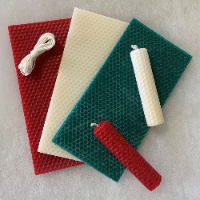
In the Middle Ages, beeswax candles were a luxury item, only affordable for royalty and the wealthy and were used in churches and castles. The poor used tallow candles made from rendered animal fats which were considerably more odorous and omitted nasty dark plumes of smoke when burning. There is nothing quite like burning a beeswax candle in the winter months with its soft warm glow and pleasant honey-like aroma to cozy up a home. They are also a sustainable and environmentally friendly alternative to soy and paraffin wax candles. |
| |
Cosmetics and Soap Making |
A range of common cosmetics use beeswax as a principal ingredient. One of the most iconic uses is in lip balms and lip care products. Its protective and emollient properties make it a perfect ingredient for creating a nourishing and long-lasting lip balm. Beeswax creates a barrier that prevents moisture loss, keeping lips hydrated for hours. Beeswax itself is not a ‘soap’ but combined with other products such as coconut or olive it makes a great ingredient for soap. |
|
|
|
|
Beeswax is edible and some glazes include beeswax as an ingredient but the most common way of using beeswax in cooking is to grease biscuit or muffin tins. Rubbing beeswax over pans replace cooking oil or non-stick spray. This method works best if you warm your sheet first so the beeswax can easily coat it. |
Given how marvellous beeswax is and its most fantastic range of uses, the biggest abuse of beeswax is to throw it away as if it were just the waste product after the honey is collected. Wax is also used together with wood chipping to light fires – but surely there are other petroleum products that do this job better? |
If the beekeeper eventually runs out of things to do with their most amazing gift from the bees, they can always exchange their beeswax for foundation at Thorne Beehives. The conversion scheme offered by Thorne provides a lb. per lb. exchange of crude wax into refined foundation. The beekeeper pays for this on a per lb. rate to which a wiring charge is added if necessary. |
The most challenging aspect about writing an article about beeswax is finding the superlatives in the English language that do it justice. Beeswax is the most amazing, phenomenal, incredible, fantastic and marvellous of natural materials. In fact, it is the most superlative! |
|
|
|
|
|
|
| |
|
With its shorter days and cooler temperatures, November has definitely felt like the start of winter. Our colonies are all tucked up, so our focus has shifted from hive inspections to maintenance and preparation work. |
|
|
|
|
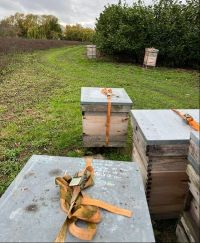
We continued strapping up the last few colonies this month to ensure every hive is protected against winter weather. With the potential for strong winds and storms ahead, we've made sure that the final few have got proper hive straps secured. There's nothing worse than arriving at the apiary after a winter gale to find roofs blown off or hives toppled, so taking the time to do this properly now saves a lot of headaches later. We've also double-checked that all our hive stands are stable and that entrances are reduced – enough ventilation for the bees, but not so much that mice decide to move in for winter! |
| |
|
|
|
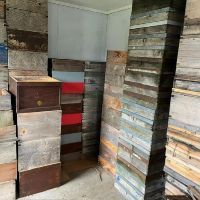
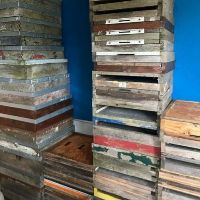
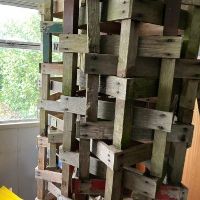
A lot of November has been spent in the cabin. We've been working through our equipment stores, scraping out and organising boxes and also sorting through tools that we have accumulated over the busy season. It's amazing how much attention all the equipment needs after a full season of use. Hopefully we will be able to get some of it painted, just to give it that bit of extra protection from the elements. We've also been sorting through frames to identify which can be reused and which need replacing come spring. |
|
|
|
| |
|
While we can't be in among the bees themselves, taking time to properly maintain our equipment means we'll be ready to hit the ground running when spring arrives. It's also the perfect time to take stock of what supplies we'll need for next season. |
With the hives secured and equipment organised, we're in a good position heading into winter. Now it's just a matter of leaving them in peace – perhaps the hardest part for any beekeeper who's used to regular inspections! |
We will continue however to heft the hives so that we can keep an eye on the level of stores and we may decide on a winter varroa treatment at a later date too. |
|
|
|
|
|
|
|
This month’s incredible news from The National Honey Show, is that on 14th November, The King’s Birthday, the Show’s volunteers were honoured as one of the 231 voluntary groups selected to receive The King’s Award for Voluntary Service (KAVS) in 2025. Created in 2002 to celebrate Queen Elizabeth II’s Golden Jubilee and previously known as The Queen’s Award for Voluntary Service (QAVS), the Award has been shining a light on the fantastic work of voluntary groups from all across the UK for many years. Equivalent to an MBE, KAVS is the highest Award given to local voluntary groups in the UK, and they are awarded for life. |
All this is achieved entirely by you: all our dedicated volunteers: judges, stewards, committee, and all who have been even peripherally involved in the show past and present; and also those supporting our volunteers. Well done all of you, much appreciated, and now acknowledged. Read more about the award here and the story of the award for The National Honey Show here. We will be celebrating your prestigious achievement at the next show! |
|
|
|
|
Several lectures have now been released from our main 2025 lecture programme. |
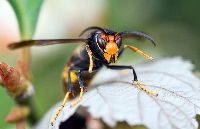
Those released so far are Maggie Gill’s lecture on a worrying mite, Tropilaelaps, and Jackie Thomas; and Tom Bickedike’s lectures updating us with latest news on the Yellow Legged Hornet (YLH) invasion. You can also see informal interviews with Maggie Gill and Dan Etheridge, Jackie Thomas, and Tom Bickerdike recorded live from the show. |
More lecture videos will be released on the first Friday of each month at 5.15pm UK local time for you to visit or revisit on our YouTube channel. |
Meanwhile, thank you once again, all volunteers past and present, and we wish you all the best for your season's festivities and for successful beekeeping in a happy, healthy 2026. |
We look forward to seeing you at next year’s show, Thursday 22nd to Saturday 24th October 2026 at Sandown Park Racecourse, Esher, Surrey, KT10 9RT, UK. |
| |
Yellow Legged Hornet (YLH) |
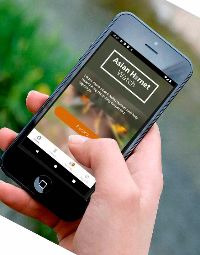
Report possible YLH sightings using the app |
|
|
|
|
|
|
|
Bees for Development Need Your Help! |
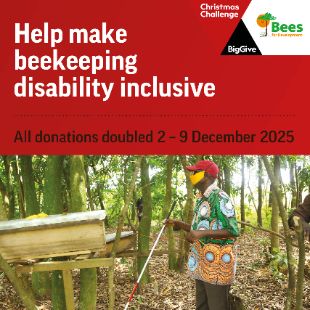
Bees for Development are half way through their biggest fundraiser of the year, The Big Give Christmas Challenge – Help Make Beekeeping Disability Inclusive. |
12% of Ugandans and 8% of Ghanaians have a disability. Employment opportunities are few and difficult to access and people with disability often face huge social, cultural and physical barriers and suffer chronic poverty. |
Beekeeping empowers people with disabilities to make a living and earn respect. |
Beekeeping helps alleviate poverty, provides good nutrition and medicine, helps address social inclusion and encourages people to protect their environment. |
They aim to raise £100,000 to:
- Develop disability inclusive training for 300 beekeepers including men, women and young people from Uganda and Ghana
- Train bee champions to provide beekeeping mentorship
- Share their successful Ugandan model to empower beekeepers with disabilities in Ghana |
Make a donation today and until midday 9 December 2025 and all donations will be doubled! |
|
|
|
|
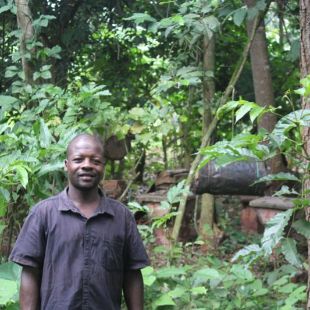
Kasule in his apiary ©BeesforDevelopment |
|
|
|
|
Bees for Development Blog: An Update on Our Work in Malawi |
|
|
|
|
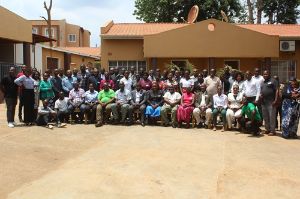
Beekeepers are passionate about their industry…….despite a fuel crisis and huge queues at fuel stations across the country, over 65 beekeepers attended the recent Malawi Bee Products Association Annual General Members meeting in Lilongwe, 7 November. Representing processor, producers, cooperatives, and independent farmers from across Malawi, the AGM included intense debates around the organisational structure, membership and future direction. To read more, click HERE. |
| |
Beekeepers at the Annual General Members meeting ©BeesforDevelopment |
|
|
|
| |
|
|
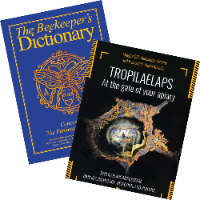
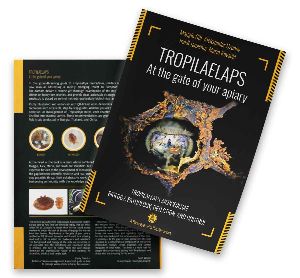
Tropilaelaps: At the Gate of your Apiary
by Maggie Gill, Aleksander Uzonov, Irakli Janashia and Marin Kovačić
|
|
|
|
|
"The definitive book on Tropilaelaps mercedesae (tropilaelaps), and currently the only one of its kind available.. an excellent book and essential reading for all beekeepers and those involved in honey bee health" – Ann Chilcott |
Bees & Honey (1st ed. 2025)
Hardback
90 Pages
£19.99 |
Reviewed by Ann Chilcott
Scottish Expert Beemaster and author of The Bee Listener |
| |
|
|
|
Tropilaelaps At the Gate of your Apiary by Maggie Gill, Aleksander Uzonov, Irakli Janashia and Marin Kovačić is the definitive book on Tropilaelaps mercedesae (tropilaelaps), and currently the only one of its kind available. It is well written and presents essential science-based information in lucid language for beekeepers that will be easily understood which is important because tropilaelaps is an imminent threat to worldwide beekeeping. Every beekeeper wanting to protect their bees and the future will need to read this book and learn how to cope when tropilaelaps breaches our own apiary gates. The authors are scientists three of whom are experienced beekeepers. |
There are seven short, concise and detailed sections which include the introduction, taxonomy and distribution, biology, pathology, detection and diagnosis, control, and the literature sources and references. Diagrams, tables and high-quality photography enhance the text, and there are several direct links to videos that can be accessed via a mobile phone with camera. |
The superb photography is particularly useful in helping to identify tropilaelaps and compare it with other similar looking pests. The biology of tropilaelaps is fascinating and something that must be understood in order to deal most effectively with this new pest. It has fewer features in common with Varroa destructor (varroa) than one might imagine, therefore effective treatments will not be exactly the same. We discover why tropilaelaps may be more damaging to beekeeping than varroa already is, and that we need to anticipate giving many more treatments because tropilaelaps increase rapidly after treatments reaching high levels again relatively quickly. Because tropilaelaps are smaller and faster moving, detection is not as easy as spotting varroa in a colony. The authors have tested various methods of diagnosing tropilaelaps and the most effective one currently involves the rapid uncapping of brood cells using depilatory wax strips. They present the pros and cons of all the detection methods and treatments. A case study from Thailand demonstrates the problems associated with using homemade medications, and the reader cannot help but feel grateful for the ongoing scientific work that will inform our management when we are eventually faced with tropilaelaps. |
The history of the spread of tropilaelaps is sobering, and the link to geography, climate, commerce and beekeeping practices helps the reader realise that the threat is real, and, relatively speaking, nearby. |
This publication brings together all the recent remarkable collaborative scientific work and findings from across the world in one place providing us with the latest knowledge and intelligence hot off the press. It is positive and hopeful in offering solutions and new ways of working with both varroa and tropilaelaps. Tropilaelaps At the Gate of your Apiary is an excellent book and essential reading for all beekeepers and those involved in honey bee health. |
|
|
|
|
|
|
| |
|
Tuesday, Thursday & Friday |
|
|
|
| |
| |
|
|
|
| |
|
Online and over the phone |
|
|
|
| |
|
|
|